

 See My Latest Article on HelloNation
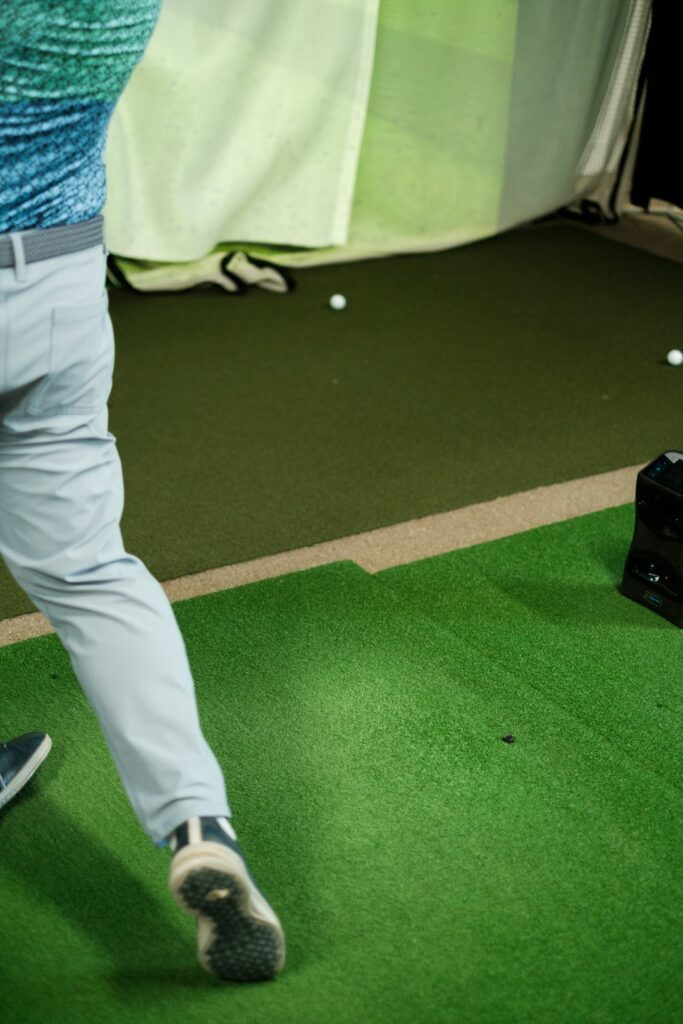
Indoor golf practice gives players a dependable way to work on technique, ball striking, and decision-making when outdoor conditions are inconvenient. For residents of Shakopee, MN, it can be especially useful during long stretches of cold weather, wind, snow, wet ground, or limited daylight.
A simulator or indoor practice space does not perfectly reproduce outdoor golf, but it can support steady improvement when used with realistic expectations. The greatest benefits come from focused practice rather than simply hitting as many balls as possible.
Why is indoor golf practice useful during Minnesota winters?
Indoor practice provides consistency when outdoor practice is interrupted by seasonal conditions. A player can work on the same movement repeatedly without dealing with frozen ground, standing water, strong wind, or poor visibility.
This matters because skill development depends partly on repetition. A golfer who practices only during a short outdoor season may have difficulty maintaining feel and confidence. Indoor sessions can help preserve basic swing patterns so that the transition back to outdoor golf is less abrupt.
For local households, indoor practice may also fit more easily into a busy schedule. A short session after work or during a weekend afternoon can be more practical than planning around daylight, course availability, and changing weather.
What can a golf simulator actually measure?
Most modern golf simulators use launch-monitor technology to estimate how the club and ball behave at impact. Depending on the system, measurements may include:
- Clubhead speed
- Ball speed
- Launch angle
- Spin rate
- Carry distance
- Total distance
- Direction and curvature
- Club path and face angle
- Smash factor, which compares ball speed with clubhead speed
These numbers can help explain why a shot traveled a certain distance or curved in a particular direction. For example, a golfer may believe a slice is caused by an open clubface when the larger issue is an outside-to-inside swing path. Data can make the pattern easier to identify.
Distance numbers should be treated as useful estimates rather than unquestionable facts. Different systems, balls, settings, and environmental assumptions can produce different results. Indoor distances are most valuable when the same equipment and settings are used consistently over time.
Can indoor practice improve a golf swing?
Yes, indoor practice can improve a golf swing when the session has a clear purpose. It is particularly helpful for repeating a manageable movement, comparing similar shots, and observing a consistent miss.
A productive session might focus on one of these goals:
- Starting the ball closer to a chosen target
- Improving contact with irons
- Controlling the length of partial wedges
- Reducing excessive curvature
- Practicing a consistent pre-shot routine
- Learning how swing speed affects distance
Indoor space often encourages golfers to slow down and pay attention to each shot. Instead of judging success only by whether the ball reaches a distant target, players can evaluate contact, launch, direction, and overall pattern.
However, repetition can also reinforce poor mechanics. Hitting dozens of balls with the same mistake may make that mistake more familiar. Practice should include pauses, occasional rehearsal swings, and regular changes in target or club.
How should beginners use an indoor simulator?
Beginners usually benefit from simple targets and limited technical information. Looking at too many numbers at once can create confusion, especially before the player understands how the measurements relate to ball flight.
A practical beginner session may include:
1. Several easy swings to establish rhythm.
2. Short shots with a wedge or short iron.
3. Attention to contact and starting direction.
4. A gradual move toward longer clubs.
5. A few target-based challenges using different distances.
The goal is not to produce perfect shots immediately. Beginners should learn what solid contact feels like, how the ball reacts to different swings, and how to repeat a comfortable setup.
Simulator games can make practice more engaging, but they should not replace basic skill development. A player may enjoy aiming at virtual targets while still paying attention to balance, contact, and consistent preparation.
Is indoor practice helpful for experienced golfers?
Experienced golfers can use indoor practice to test equipment settings, refine distance control, and prepare for specific playing situations. It can also provide a useful environment for identifying patterns that are difficult to notice during casual outdoor rounds.
For example, a player may discover that:

- A seven-iron has a reliable carry range but inconsistent direction
- Partial wedge shots fly shorter than expected
- A driver produces acceptable speed but too much side spin
- The gap between two wedges is too small for effective scoring
- Fat or thin contact becomes more common when attempting higher swing speeds
Skilled players should still avoid becoming overly dependent on perfect indoor lies. A simulator usually provides a flat, clean hitting surface, while outdoor golf includes uneven lies, changing turf, wind, temperature, and varied ground conditions.
What are the limits of indoor golf practice?
Indoor practice cannot fully reproduce the physical and visual demands of an outdoor course. The most significant limitations involve uneven lies, wind, natural turf interaction, changing light, and the psychological pressure of a real round.
A simulator may also make distance control feel easier because the player receives immediate feedback and does not need to locate a ball, account for rough, or judge a physical landing area. Some indoor settings use limited flight time or projected targets, which can affect how a shot is perceived.
The best approach is to view indoor practice as one part of golf preparation. It is well suited to swing repetition, ball-flight analysis, short-game distance work, and simulated decision-making. Outdoor play remains necessary for learning course conditions and adapting to imperfect lies.
How often should someone practice indoors?
There is no universal schedule, but shorter, purposeful sessions are generally more useful than occasional marathon practices. A golfer may gain more from 30 to 60 minutes of focused work than from several hours of unfocused ball striking.
A reasonable routine could include:
- One session focused on contact and swing consistency
- One session focused on wedges and distance control
- Occasional simulated rounds to practice decisions and strategy
Rest also matters. Repetitive swings can create fatigue, particularly when using longer clubs. Once concentration or balance declines, additional practice may reinforce poor habits rather than improve performance.
Keeping brief notes can make sessions more useful. Record the club, intended distance, common miss, and any setup adjustment that produced a better result. Over several visits, these notes can reveal patterns that are easy to overlook.
How does indoor practice fit the local climate?
Shakopee experiences seasonal changes that can make year-round outdoor golf difficult. Cold temperatures, snow, wet conditions, and shorter winter daylight may limit opportunities to practice on natural turf. Indoor facilities provide a controlled alternative during those periods.
The local climate also makes transition planning valuable. Before outdoor play resumes, golfers can use indoor sessions to rebuild rhythm and review carry distances. As spring conditions improve, outdoor practice should gradually reintroduce uneven lies, turf interaction, wind, and changing temperatures.
Distance may vary between indoor and outdoor conditions. Cold air, ball type, elevation, wind, and ground firmness can all influence results. Treating indoor numbers as a personal reference rather than a permanent guarantee helps prevent unrealistic expectations.
What makes an indoor practice session worthwhile?
A worthwhile session has a specific purpose, measurable observations, and enough variety to avoid mindless repetition. The goal may be as simple as producing ten solid shots with a short iron or learning the carry distance of three wedge swings.
Indoor golf is most effective when it supports better choices, not just faster swings. By combining reliable practice habits with honest interpretation of simulator data, local golfers can maintain skills through difficult weather and return to outdoor play with greater awareness of their swing and game.